The Human Edge
·
Science of Performance
·
Orgs & AI
·
Leadership
·
Origin & Throughline
·
The Human Edge · Science of Performance · Orgs & AI · Leadership · Origin & Throughline ·
Thoughts
The thinking behind the work.
On human performance, AI strategy, creativity, and what it takes to build organizations — and people — that last. Occasional, intentional, worth your time.

My mind rewired
In November 2012, I fell 30 feet. Doctors said I shouldn't have survived. I woke up unable to walk, talk, or remember my own life. Four months later I was running two miles a day. This is the experience that made my neuroscience research personal — and the one that convinced me the brain's capacity for rebuilding itself is the most underestimated force in human performance.

Rediscovering life is like a box of chocolates
A student taught me archery. I'd forgotten hobbies existed. For two and a half hours, there was no optimizing, no justifying, no strategizing — just the focus of pulling a bow and the satisfaction of a clean hit. Round 5, the coach came back. Just look at the improvement. That's the delta a little real-time correction makes. In archery. In everything.

The art of slowing down
My father was diagnosed with cancer. I came home. And somewhere between daily grocery runs with my mom and the weight of the bags I carried back for her, I found the thing I'd been missing in every productivity framework I'd ever built: there's no KPI for presence. In the age of AI, our competitive advantage isn't doing things faster. It's knowing what shouldn't be rushed at all.

The Joy of Learning
I grew up with my nose in a book, riding red blood cells with Mrs. Frizzle and time-traveling with the Magic Tree House. That childhood obsession with understanding how things work — atoms, theorems, human behavior — never actually went away. It just found bigger questions to chase.
Designing the mind
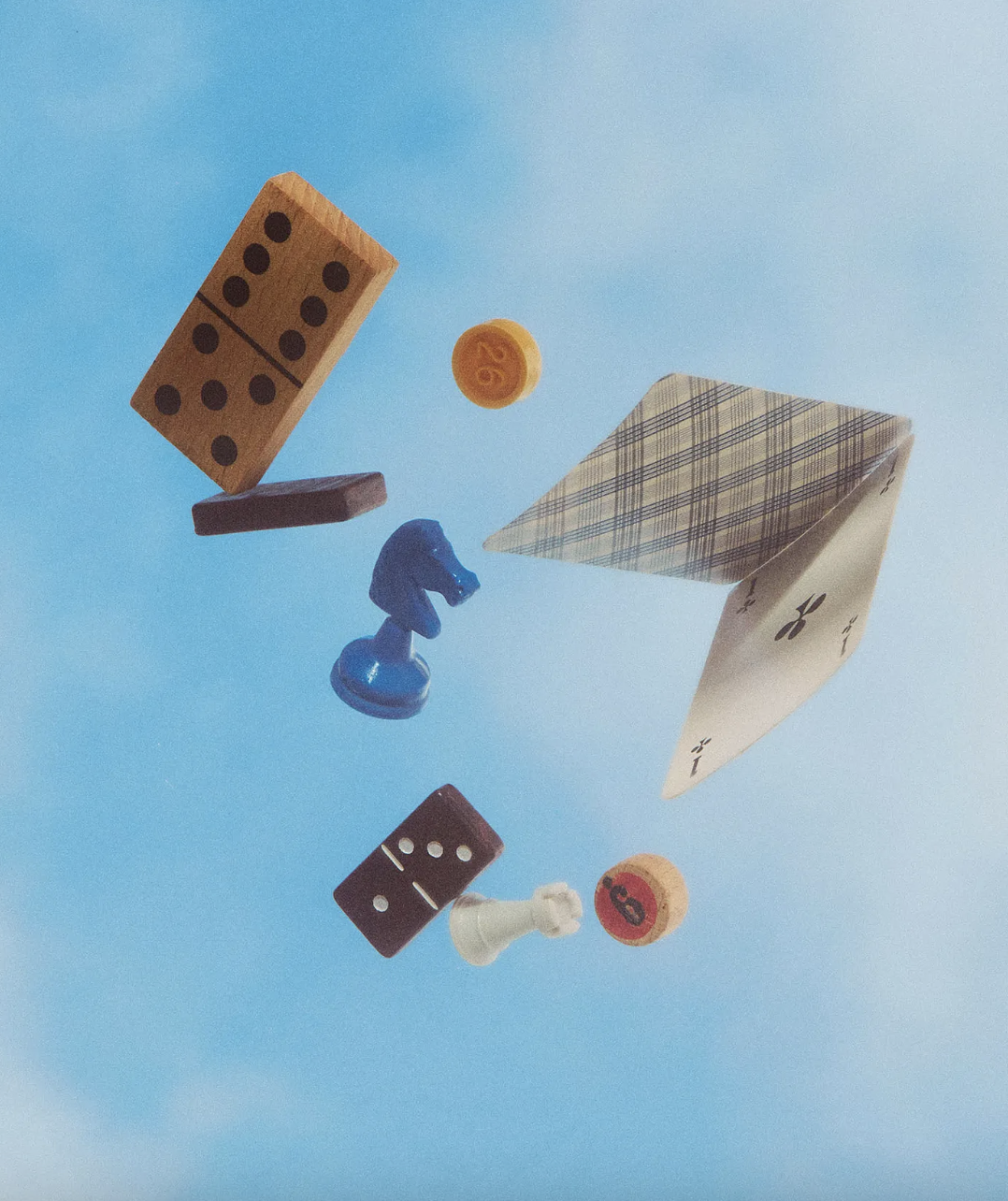
The brain isn't just something that happens to you — it's something you can design. Drawing on neuroscience, from the triune brain model to the default mode network, this piece maps out how understanding your mind's architecture lets you intentionally build the conditions for creativity, better decisions, and peak performance. The research has been there for decades. Most people just haven't been given the framework to use it.

The art of letting go
Perfectionism has a hidden cost — and most high performers don't see it until it's already draining them. Four frameworks I developed while leading at Dropbox for knowing when to hold the line and when to release it, rooted in economics, psychology, and the one piece of advice that actually changed how I work.
Lessons from neuroscience
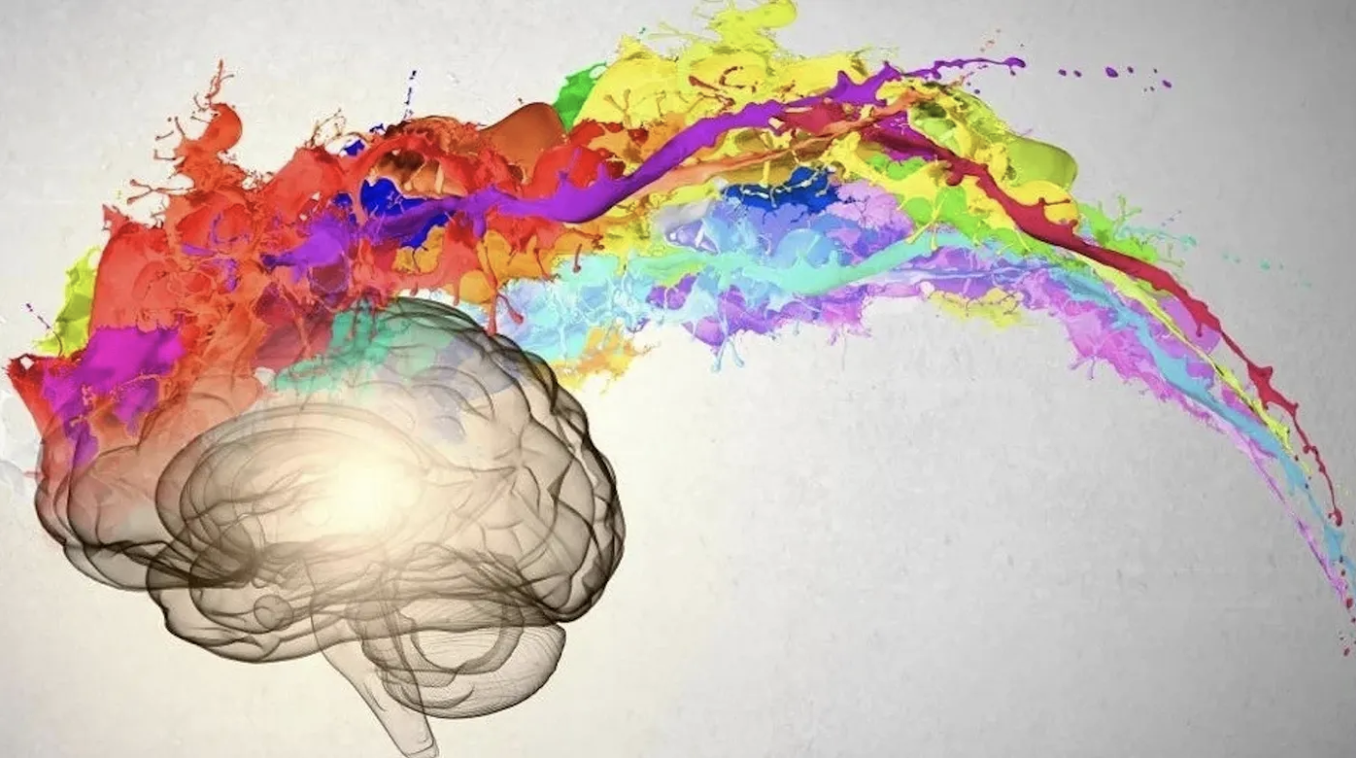
The brain isn't a fixed machine — it's a system that questions, experiments, and rewires itself. Three principles I studied in a neuroscience lab have turned out to be the most practical frameworks I've ever brought into an organization. Turns out the brain knew what good strategy looked like long before business did.

Theory of Consciousness
There are billions of people in the worlds— billions of brains. Just as no two people are identical, no two brains are identical. Each of us has our own consciousness that makes us distinct from everyone else and because everyone interacts with his or her own consciousness, it is an intimately familiar, yet notoriously ambiguous concept.
The thinking, twice a month.
The newsletter
Straight to your inbox.