The Joy of Learning
Originally posted on Medium on May 21, 2025
When I was a kid, I always had my nose stuck in a book. I rode around a red blood cell on Mrs. Frizzle’s Magic School Bus, traveling through arteries and capillaries, making pit stops at various organs. I swirled in the Magic Tree House with Jack and Annie, time traveling to embark on various adventures, seeing the eruption of Mt. Vesuvius in Pompeii in 79 A.D, sitting with King Arthur’s Knights of the Round Table, fighting alongside ninjas against samurai warriors, and flying around on the back of a Pterosaurs. My imagination ran wild — as it should — I was still only a kid and that’s what we were meant to do.
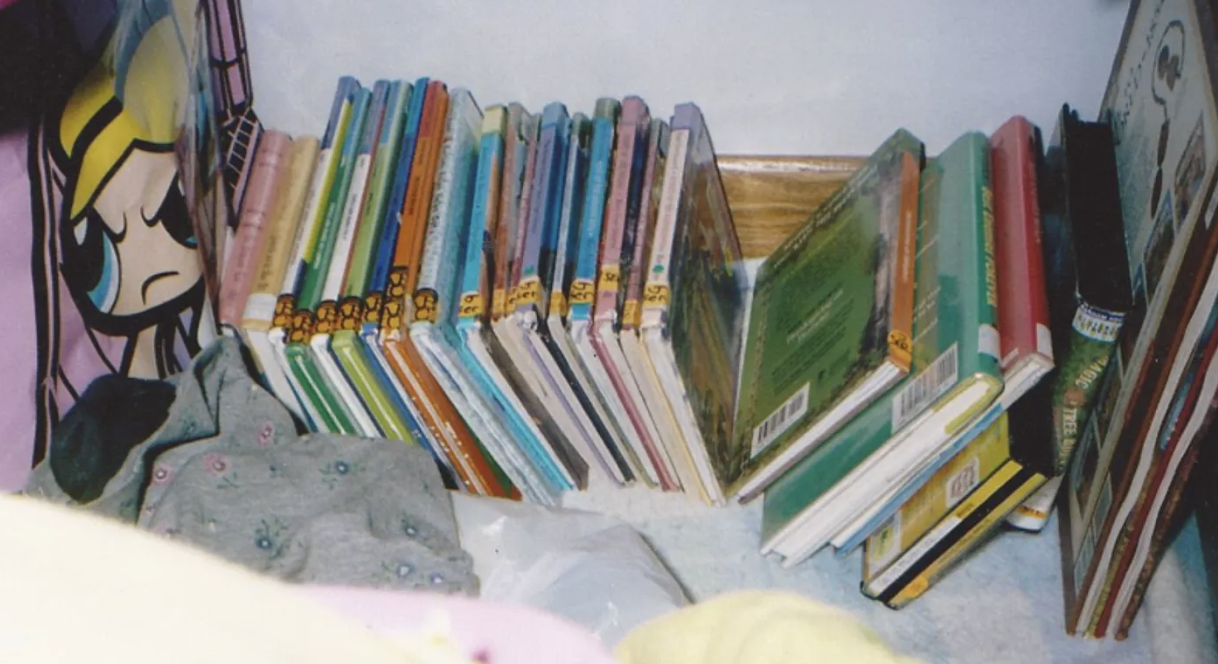
My 9-year old self’s secret stash of books.
Childhood
Maybe because I loved reading from a young age, school and learning was always fun for me. My early fascination of astronomy, geology (I had a rock collection), and architecture evolved into the love of the maths and sciences, whether it be chemistry, biology, or physics (I struggled with physics the most, out of the three). Algebra always made sense — solving for x and y, was black and white. Or so I thought, until I learned calculus. Now, functions were continuous; we were solving integrals and differentials. Multiple variables with multiple values — some had infinite, endless values. It was abstract and concrete processing of both numbers and logic. I found it challenging and infuriating, but riveting nonetheless.
I learned about the different theorems in science — how society changed its collective mind from Ptolemy’s geocentric view (earth is at the center of our solar system) to Copernicus’ heliocentric system (the Sun is at the center). It’s an obvious fact today, but Galileo was ridiculed and exiled for believing this in the 1600s. I learned about the apple falling on Newton’s head and his subsequent hypotheses and experiments to ultimately discover gravity and his Three Laws of Motion. I explored both the Renaissance and the Age of Enlightenment — to discover the art of science. And it is indeed an art.
Every event and observation — is only a hypothesis — until proven, or disproven, otherwise (ie. Is Pluto a planet or not?). Every event has multiple perspectives and viewpoints and I started to jump between them to try to make sense of the world around me and formulate my own opinion. Through this process, I realized that often times, whether we agree or disagree with someone’s beliefs or opinions, at the end of the day, they’re just human. We all are.
Support
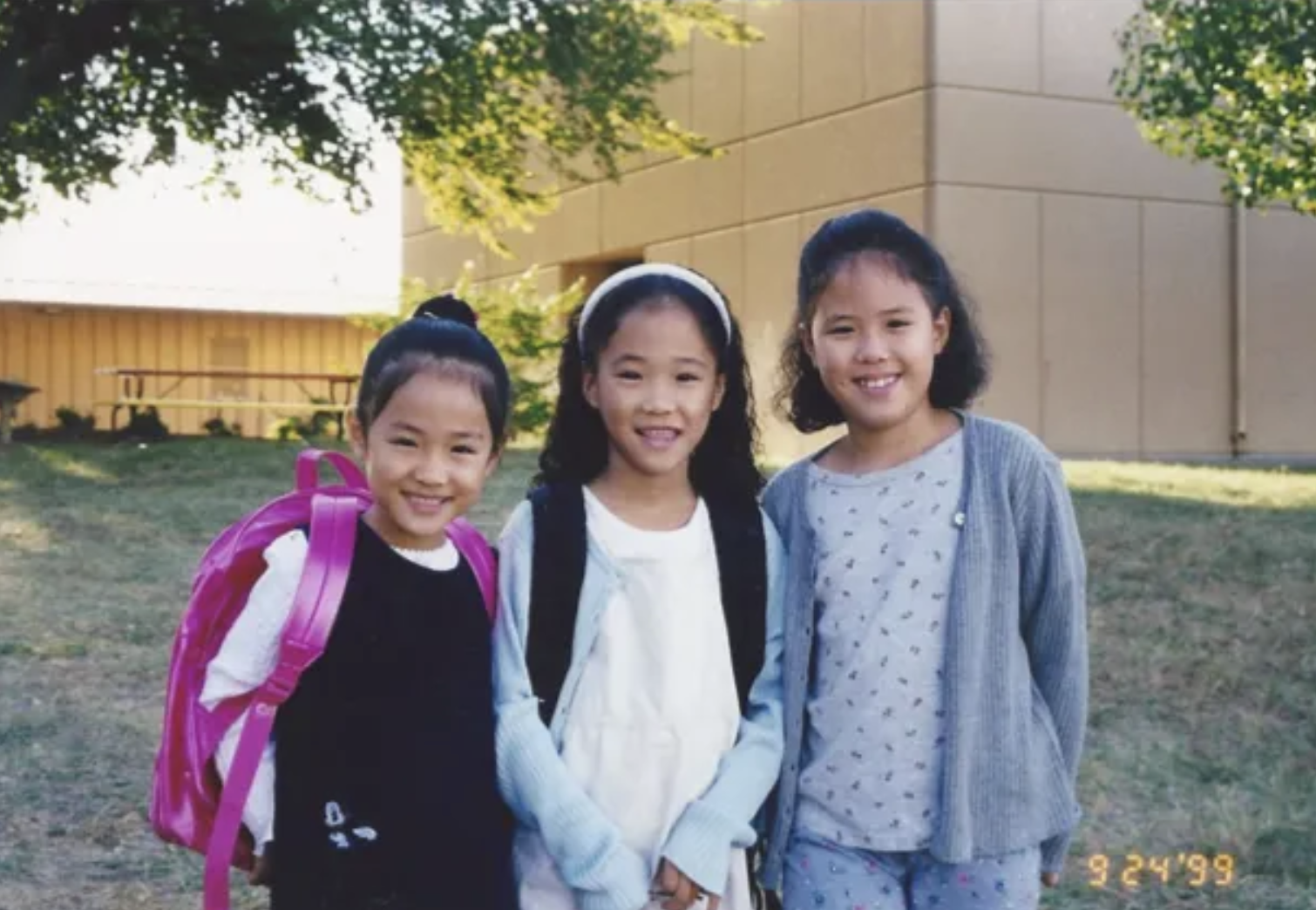
I was also fortunate to have two older sisters to trail behind in school (and life). Throughout the years, I sat, listened, and clapped as they practiced their school presentations. They reviewed and edited my essays, papers, and reports. They helped me cut out and glue the colorful square boxes for whatever poster I was making. When they started studying for their SATs, I learned through osmosis. I guess I picked up on some of their vocabulary as I was asked (aka forced) to quiz them. My oldest sister was a senior when I was a freshman in high school, so when I caught up with them into the same classes, teachers already knew me as the youngest Shin sibling. There is no doubt my sisters made me smarter.
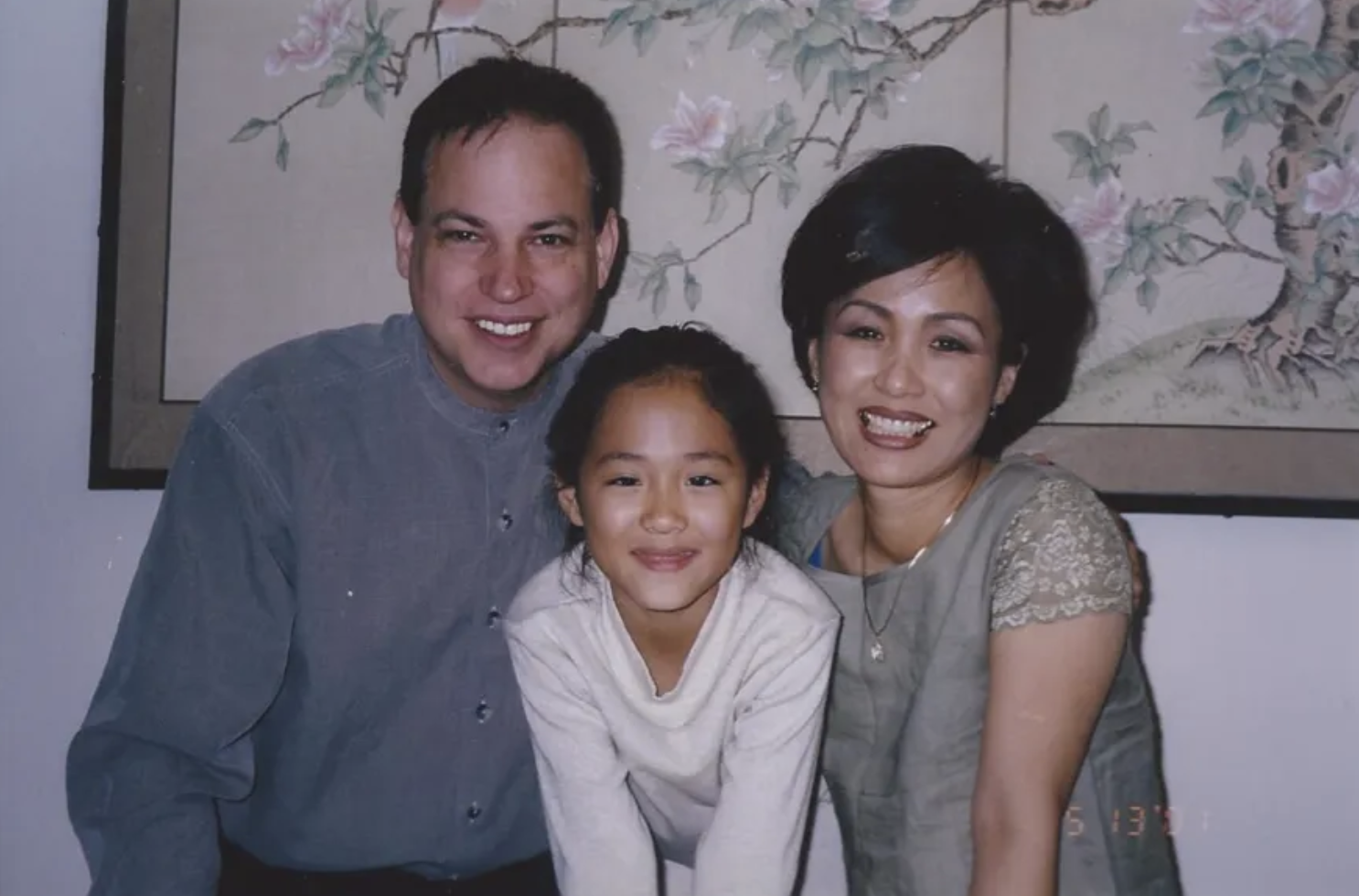
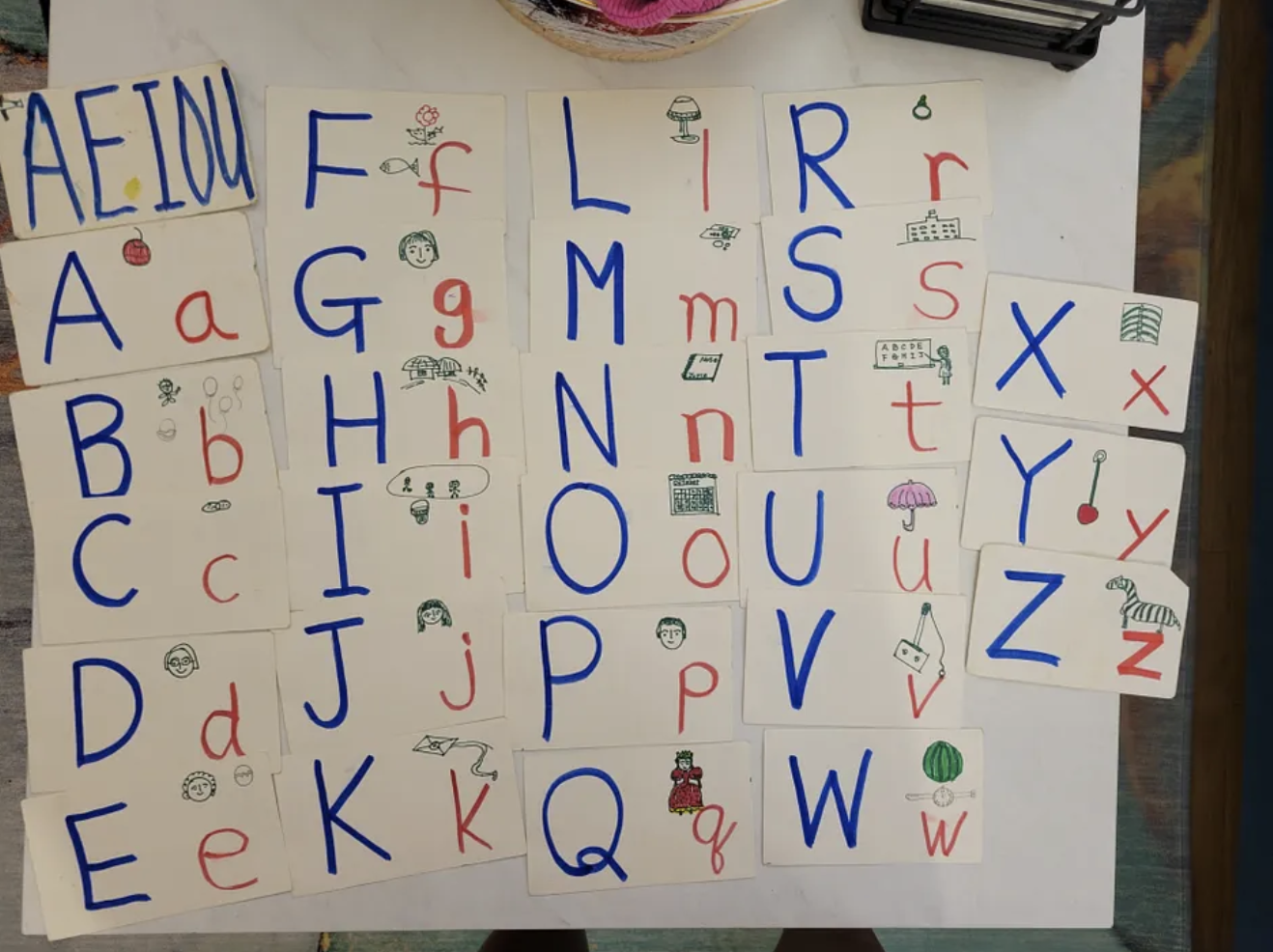
My parents too, were only the most supportive. My stepdad (dad) and I shared an affinity towards chess, physics, and astronomy. He always entertained my enthusiasm, curiosity, and ponderings — I can’t ever remember a single time when he got annoyed or frustrated at my likely endless stream of questions, ideas, or discoveries. And my mom, was always the driver and enforcer for my educational endeavors and academic standards. Always pushing (sometimes, I’ll admit, a bit too much), but always supportive. She’s the one who handmade my first ABC flashcards to teach me the alphabet, made it a requirement to actually do my homework every night, listened to whatever new (or old) topic I was enthusiastic and still ranting on and on about, and the one who spent hours sewing whatever costume for school project I had coming up. They only ever wanted what was best for me — and for that, I’m forever grateful.
Growing up & maturing
As I continued to mature, naturally, so did my thinking. My breadth of processing and integration was gradually replaced by depth. I spent more time digging deeper to uncover and interpret the different layers of meaning, logic, and principles that were interwoven into knowledge. As I read more advanced literature in school, from To Kill A Mockingbird, I thought about what real courage and bravery looked like. In a high school paper, I analyzed the characters and wrote, “Jem, although he is young, exhibits bravery as he fights for what he believes in”, “Mrs. Dubose was a cranky lady, but in reality, she was a remarkable woman who remained strong in her values, spirit, and belief”, and “Atticus is brave as he fights a nearly impossible battle, and goes against the dominant thinking of his friends”. In the last lines of Robert Frost’s The Road Not Taken, Frost writes, “I took the one less traveled by, and that has made all the difference”. In my analysis, I said I appreciated the ambiguity that he left readers to interpret and apply in their own ways.
Working with and across classic pieces like Joseph Conrad’s Heart of Darkness, Shakespeare’s Hamlet, and William Golding’s Lord of the Flies, I tinkered with their themes, further integrating the work and ideas of philosophers like St. Augustine and Thomas Aquinas, to more contemporary literary figures like J.R.R. Tolkien and C.S. Lewis. I explored themes probably a little too deep for my age, themes of the duality of good and evil, the nature of happiness and pain, and the morality of right and wrong.
I was discovering meaning, values, principles, and ethics. They’re hidden well, but if you look in the right places long and hard enough — you’ll find it. And once you do, that’s when the magic truly begins.