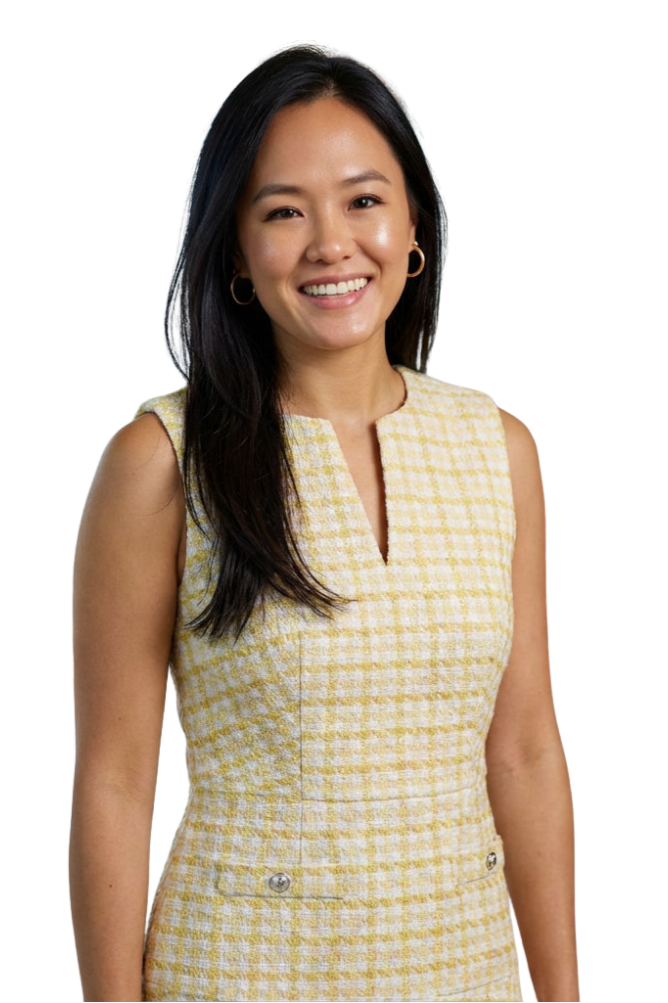
Speaker. Operator. Advisor.
My work is at the intersection of human behavior, organizational design, business operations, and people strategy.
I work with leaders to build the human layer of their teams and organizations, the part culture, trust, and resilience actually run on.
My frameworks come out of neuroscience (my background is a B.S. in Neuroscience and an MBA from Duke) and years operating inside teams at places like Dropbox and Instacart.
But the real starting point is more personal. I rebuilt my life, cognitively and physically, after a brain injury at 18, and that's where a lot of my thinking about resilience and what actually matters began.
Early on
It started when I was a kid. I was always curious about what makes humans, well, human.
Why we were the way we were. How we think. Decide. Behave. Communicate. Fascinated, really.
I fell in love with neuroscience in high school. There was something about understanding the minds that shape the human experience. It's the most complex thing that exists. And yet, what we know about it barely scratches the surface.
Who knows? Maybe we're not meant to find out. But I wanted to try, so I decided I would become a neurosurgeon.
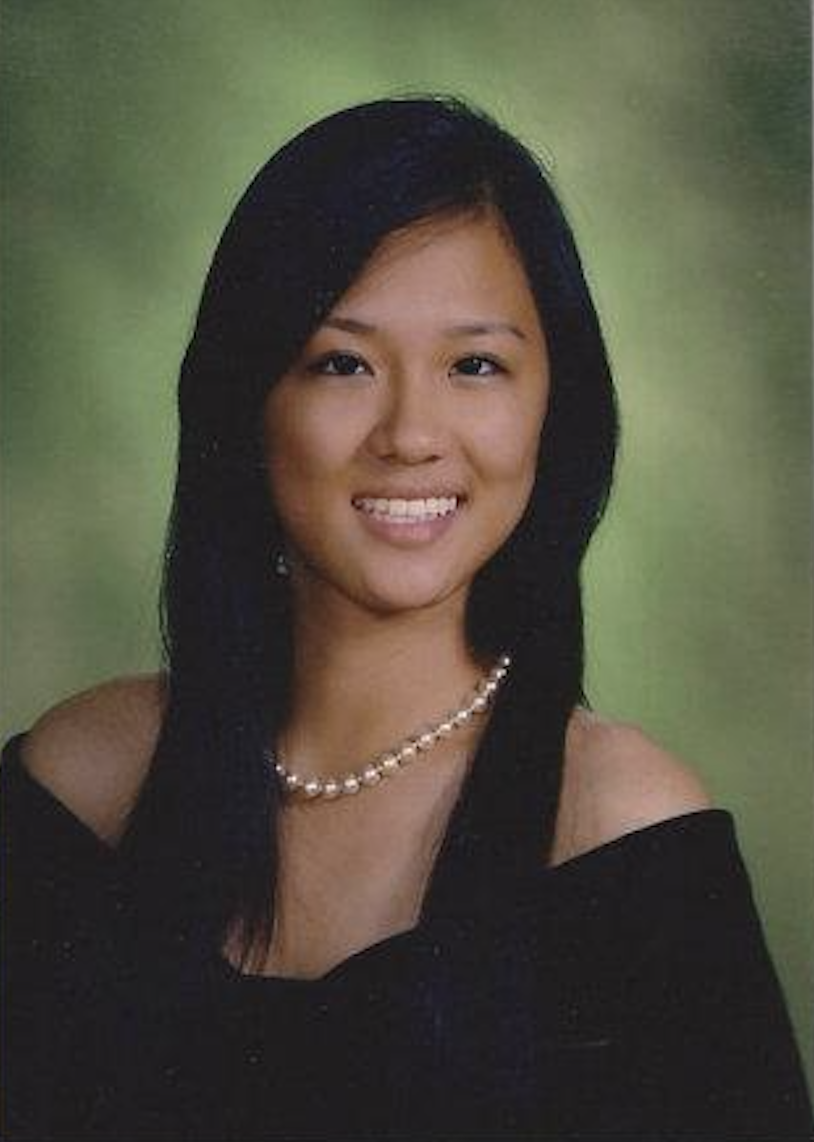
The Shift
Life had different plans. At 18, I had just started college as a freshman when, in an ironic twist of fate, I had my own personal encounter with the subject I loved so much: a brain injury.
I was left in a coma for a week and a half. Thankfully, I regained consciousness. But boy, would the journey to recovery be a long one.
I had graduated as valedictorian of my high school a few months prior. Ran varsity cross country. So my identity and all my dreams were shattered. I had to take a leave of absence from college, but I vowed I would return.
The Return
A year later, in 2013, I did. At 19, I started over. Again.
And I was as lost as any other college student (I just hid it very well). Over the next four years, I explored. I took classes I was actually interested in, not the ones that would "get me" an internship. I built habits I still keep 10+ years later.
I pivoted, iterated, and adapted to circumstances more times than I can count.
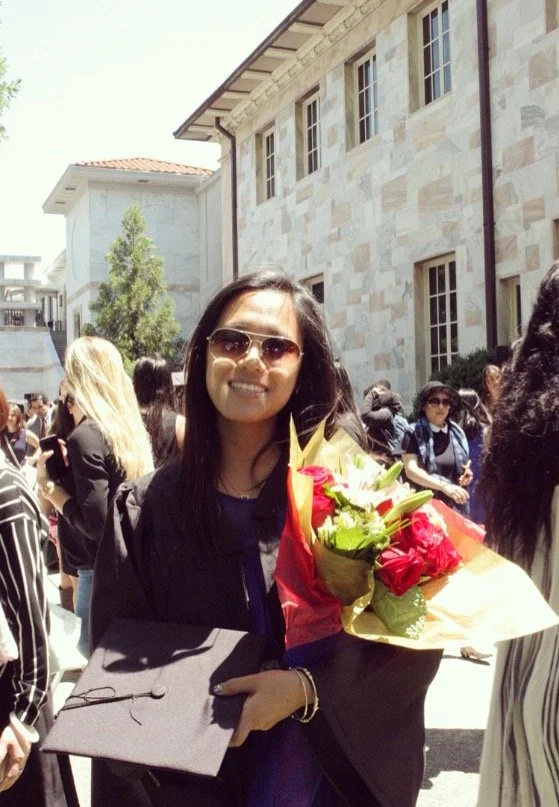
The Realization
I realized I couldn't always "work harder." I had to work differently.
So I let my mind wander to everything it could imagine. It was the time to think big, dream big, live big.
And it was a long road. It still is. That's what makes it worth it. You know what they say. It's more about the journey than the destination.
I graduated from Emory University with a 3.9 senior GPA, moved myself across the country to SF, and built a career in tech at some of the best companies out there, like Instacart and Dropbox.
“Think big, dream big, live big.”
The Human Side of Business
I wanted to see how the brain and business interaction impacted a company's greatest asset: its people. Today, most people strategies are dealt with retrospectively. Only when the opportunity forces it or the problems have grown big enough.
Painful enough.
Then come the layoffs, the high growth, the reorgs on reorgs, the burnout no one talks about, the unnecessary medical and health costs, the disengagement. The downstream effects are lower productivity and innovation.
Less connection.
Fewer relationships built.
Fewer partnerships formed.
Less potential harnessed.
But it doesn't have to be that way. We can be proactive. We can reduce the unnecessary costs, unnecessary pain. We can use the principles of how we think, behave, work, and communicate to create more.
Build more. Partner more. Connect more. Sell more.

“Company’s greatest asset:
its people.”
The Human Layer of Organizations
That's the missing human layer. It's not just how a leader manages, builds, thinks, and communicates. It's how they turn those into the foundational building blocks for how they build their team and organizational systems.
What might that look like?
It's not just the company values everyone has tacked on their walls (though those matter). It's all the little things that add up.
Not just what you say, but the inflections in the tone.
Not just the company values, but whether your team embodies them when the boss isn't around.
Not just having offsites, retreats, or bonding events, but whether your team willingly chooses to go out of their way to help a teammate.
Emphasis on “willingly” and “chooses”.
It's building your team's agency and trusting them to carry the principles and behaviors the team stands for.
That's the real organizational culture test.
The Missing Piece
It's the habits, the thinking, the mindset, the behaviors, the values.
It's what's done on a daily basis.
What's done over time.
What carries on.
What gets passed on.
Those are the variables that have been missing when leaders build their teams. And I've seen it firsthand.
I've managed organizations through all of it: high growth, attrition, reorgs, layoffs and RIFs, transformations, M&As, strategy shifts. The list goes on.
The reasons people leave… don't show up in a number. The signs your top performers have checked out… don't show up in a number. It's the little changes in behavior that most people don't notice. By the time it shows up on any survey or in any metric, it's already too late.
“By the time it shows up on any survey or in any metric, it's already too late.”
The Rationale
You know your best people have options: more salary, more scope, whatever it is.
Good leaders also know that Joe just sent his last kid off to college. That he and his wife are empty-nesters now, and that the team he's been part of for four years is cushioning that blow whether you planned for it or not.
In the exact same scenario, another person on your team, Jane, isn’t sticking around. She’s looking to leave. You know this because she's the type of person who prefers to segment her transitions together. So, a personal change often means she's craving a professional one to complement.
A good leader can see that flight risk as much as a year out.
None of that shows up in a number.
Until they’ve submitted their notice. Or already left.
But you'd better believe it hits your bottom line. And that’s way too late.
I know this because I've built people and recruiting analytics functions from the ground up. I’ve seen both the quantitative and qualitative data.
And if that's the cost for one person, imagine it at the scale of an entire organization. That's 10x or 100x in cost saved or revenue created. So the real question is: how much value do you want to protect, and how much do you want to generate?
How do you build the right, effective human layers in your teams and organizations. The skills needed to notice the right signals? Because one signal can be the difference between $500K and $5M.
That’s just one example. These are some of the problems I work on with leaders and organizations.
The human ones. The important ones. The honestly, fun, ones.
The journey’s long.
What I learned at 19 still holds true. And when something doesn't work out, which, more often than not, it doesn't… you learn, you pivot, you adapt.
You can do whatever you set your mind to.
You define your own path.
That's what I help founders, leaders, and organizations do. I thrive at the intersection of neuroscience, organizational design, people systems, and partnerships.
Let's talk.